
Ultimate Guide
The Ultimate Guide to Southwest Rapid Rewards
Rapid Rewards is the simplest program in this guide and the math still works. Points carry a fixed value against fares, redemptions are refundable, and the Companion Pass effectively doubles every point you earn for a year or more. We value Rapid Rewards points at 1.35 cents each.
How to Earn Rapid Rewards Points
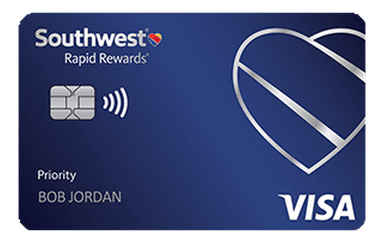
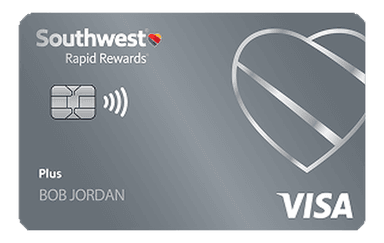
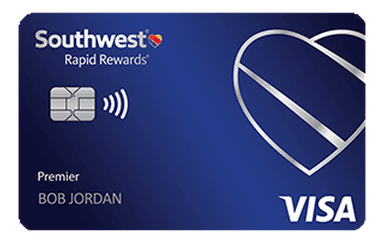
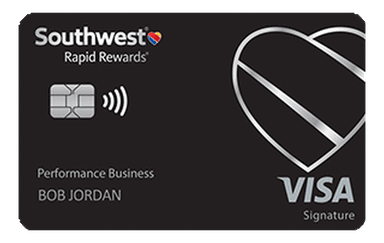
Chase runs the whole pipeline. Ultimate Rewards transfer to Southwest at 1:1, and Chase issues five Southwest cobrands: Plus, Premier, and Priority on the personal side, Premier and Performance for business. Welcome bonuses on these cards are the standard launchpad.
Flying earns points per dollar based on fare type, and Rapid Rewards shopping, dining, and hotel partners add steady drip. Because points have near-fixed value, every earning source is easy to evaluate.
- ▸Transfers in: Chase Ultimate Rewards (1:1)
- ▸Cobrands: Plus, Premier, Priority, plus two business cards
- ▸All card points count toward the Companion Pass
How Awards Price
Award prices track cash fares at a roughly fixed rate, generally in the 1.3 to 1.5 cent range per point depending on the fare. There is no availability game. If a seat is for sale, it is bookable with points.
Redemptions are fully refundable to your account, which makes speculative booking free. Lock a flight, rebook when the fare drops, and the point difference comes back automatically.
The Companion Pass
Earn 135,000 qualifying points or fly 100 qualifying segments in a calendar year and Southwest lets a designated companion fly with you for just taxes and fees on every flight, paid or award, until the end of the following year.
Credit card welcome bonuses and spending count toward the threshold, so a well-timed pair of card bonuses in January can unlock nearly two full years of two-for-one flying. This is the single best value in domestic US travel and the entire reason to concentrate earning early in the year.
Elite Status in Brief
A-List and A-List Preferred reward frequent flyers with priority boarding, bonus earning, and same-day standby perks. The thresholds are flight-heavy, so casual travelers should ignore status and focus on the Companion Pass instead.
Our Strategy
Plan card applications around the Companion Pass calendar. Earning the qualifying points in January or February maximizes the pass window at close to 24 months.
Book awards freely and rebook on price drops. With fixed value and free cancellation, Rapid Rewards rewards activity, and with a Companion Pass active, every redemption is effectively worth double.
Sweet Spots
Companion Pass two-for-one math
With the pass active, every point is worth roughly double because a companion flies for taxes. A 1.35 cent currency becomes an effective 2.7 cents on every booked flight.
Early-year qualification window
Hit 135,000 qualifying points in January and the pass runs through December of the following year. Timing card bonuses for early January buys nearly two years of benefit.
Free cancellation as a strategy
Award bookings refund to your account instantly. Book the flight you might take, rebook every fare drop, and never pay for indecision.
Wanna Get Away fare sales
Southwest's recurring fare sales translate directly into cheap awards because points price against the fare. Sale fares under 50 dollars often book for under 3,000 points.
Chase transfer top-offs
Ultimate Rewards transfer instantly at 1:1, so you never need to overbuy Southwest points. Top off the exact amount for the booking in front of you.
Frequently Asked Questions
▸Do Chase transfers count toward the Companion Pass?
No. Points transferred from Ultimate Rewards do not count as qualifying points. Card welcome bonuses and card spending do.
▸Do Rapid Rewards points expire?
No. Southwest eliminated point expiration, so balances are safe indefinitely.
▸Can I use points for international flights?
Southwest's network covers the US, Mexico, Central America, and the Caribbean. For other regions, use a different currency.
▸Is the Companion Pass worth chasing every cycle?
If you fly with a partner even a few times a year, yes. The two-for-one effect outvalues almost any other domestic redemption strategy.
Guide last updated 2026-06-09.