Prerequisites: what the approvals actually require
Issuers underwrite the owner, not the logo. You need a personal FICO around 700 or higher, clean recent history, and low reported utilization before the first application goes in. A maxed personal card will sink business approvals even if the business looks fine on paper.
You also need a real entity. An LLC or corporation with an EIN, a business bank account, and a coherent answer to what the business does and what it earns. Sole proprietors can get approved at smaller numbers, but the larger stacks are built on entities with some operating history or at least a credible revenue story.
Get the personal report clean first. Pay every revolver down before statement close, let the low utilization report, then apply. The difference between applying at 8% utilization and 60% utilization is often the difference between a stack and a string of denials.
- ▸700+ personal FICO, no recent late payments
- ▸Registered entity with an EIN, not just a hobby
- ▸Utilization reported low across all personal cards
- ▸Business bank account and a defensible revenue answer
Why the window is compressed
The core logic of stacking is timing. Each hard inquiry and each new account drags your score down a little, and issuers see each other's inquiries within days. If you apply over six months, application five is underwritten against a profile that already shows four new accounts and four inquiries. If you apply within the same week, every issuer underwrites you against the same clean snapshot.
That is the entire trick. Cluster the applications before the bureaus catch up. Practitioners run 5 to 10 applications in a window of days, then stop, let the dust settle for several months, and run another round if needed.
Issuer sequencing and the personal-report question
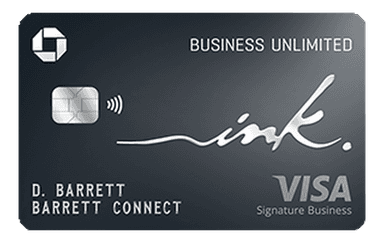
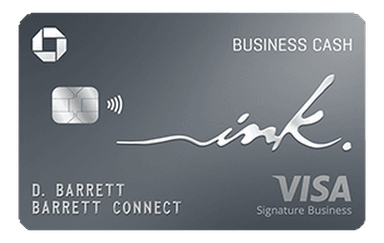
Order matters because issuer rules differ. Chase goes first, always, because of 5/24: Chase will generally deny applicants who have opened five or more personal cards in 24 months, and every other issuer's cards count against you. Business cards from most issuers do not add to your 5/24 count, which is why stackers front-load Chase Ink applications before touching anyone else.
After Chase comes Amex, Bank of America, US Bank, Citi, and then regional banks and credit unions. Regionals are slower but often friendlier on limits, and a deposit relationship helps: Bank of America's relationship tiers visibly soften underwriting and raise limits for clients holding meaningful balances.
The other reason stackers prefer business cards: most issuers do not report routine business card activity to your personal credit bureaus. Chase, Citi, Bank of America, US Bank, and Wells Fargo report only if you default. Amex reports negatives only. Capital One is the exception and reports everything, which is why its business cards sit last in the sequence or get skipped by people protecting personal utilization.
When an application comes back pending or approved with a small limit, call reconsideration. Issuers will often move limit from an existing card to a new one, or approve a pending application once a human hears a coherent business story. Recon calls are where mediocre stacks become large ones.
DIY versus brokers
Brokers like Fund&Grow run this entire playbook as a service: they sequence the applications, make the recon calls, and run follow-up rounds over 3 to 6 months. The price is real money, roughly $4,000 to $5,000 per year or about 9% of the credit obtained.
Everything they do is something you can do yourself for free. The application order is public knowledge, recon phone numbers are listed on forums, and the issuer rules in this guide are the same ones they use. The honest case for a broker is time and nerve: some people will not make ten applications and five recon calls themselves. The honest case against is that 9% of a $100k stack is $9,000, which can exceed the all-in cost of an SBA line of credit that does not expire in 14 months.
The personal guarantee and the month-13 problem
Nearly every small business card carries a personal guarantee, regardless of how the marketing reads. EIN-only, no-PG funding pitches are almost always describing cards you cannot actually get at meaningful limits without signing personally. If the business fails, you owe the balance. Plan as if every dollar of the stack is personal debt, because legally it is.
The second structural problem is the cliff. The 0% period ends at month 12, 15, or 18, and the go-to rate is 18% to 29%. A stack that was financing inventory or ad spend at 0% becomes one of the most expensive forms of capital available overnight. The exit has to be planned at month one: either the spend generates cash to pay the balances off, or you have a refinance path, or you should not draw the money.
Finally, limits are not cash. Turning credit lines into a bank balance requires a liquidation step, and the cheap rails charge around 2.9% or more. Price that into any plan that needs cash rather than card-payable spend.